
DEPARTMENT OF CARDIOLOGY
Cardiologist are basically the caretakers of the heart. They specialize in diagnosing and treating diseases that concerns our heart. They play an important role in a healthcare team due to their specialization and better understanding of the cardiovascular system. Heart diseases are one of the most common illness you encounter in a hospital setting.

DEPARTMENT OF PSYCHIATRY
Psychiatry is branch of medicine dealing with mental disorder and its treatment. The word "Psychiatry" is derived from the words "Psych" meaning soul or mind and "latros" meaning healer. This department plays a big part on a person's healing because mental health is as important as physical health.

DEPARTMENT OF PEDIATRICS
Being a pediatrician means you will be managing the physical, behavioral, and mental care for children from birth until age 18. A pediatrician is trained to diagnose and treat a broad range of childhood illnesses; from minor health problems to serious diseases.

DEPARTMENT OF SURGERY
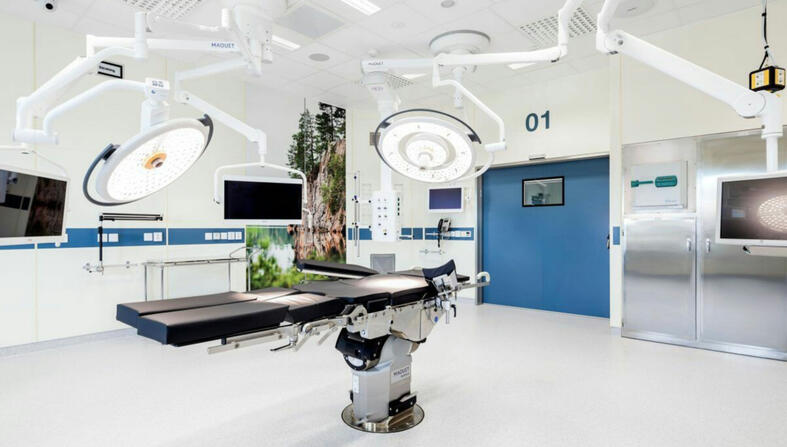
Surgery is done by diagnosing and treating diseases by manual and instrumental means. As incidences of traumatic injuries, cancers and other chronic disease continue to rise, the impact of surgical intervention on public health systems will surely continue to grow. Surgery is often the only therapy that can alleviate disabilities and reduce the risk of death from common conditions
DEPARTMENT OF NEUROLOGY
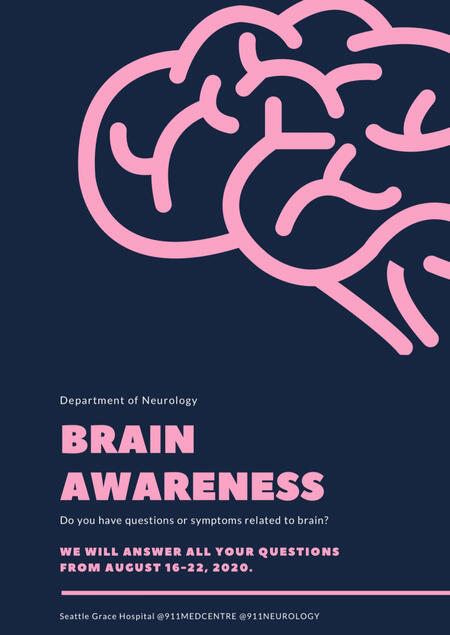
Neurologist are doctors who specializes in treating diseases of the nervous system which is made up of 2 parts: the central & peripheral nervous system. This includes the brain & spinal cord. They manage and treat neurological conditions or problems with the nervous system. Patients that are having problems with their senses (touch, vision, or smell) can be sometimes due to nervous system disorder.

DEPARTMENT OF OBSTETRICS AND GYNECOLOGY
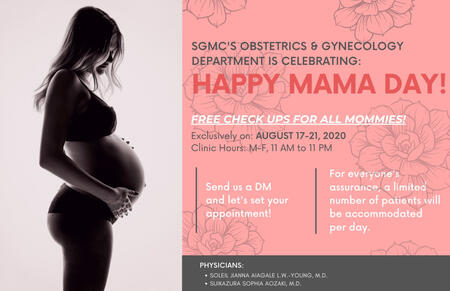
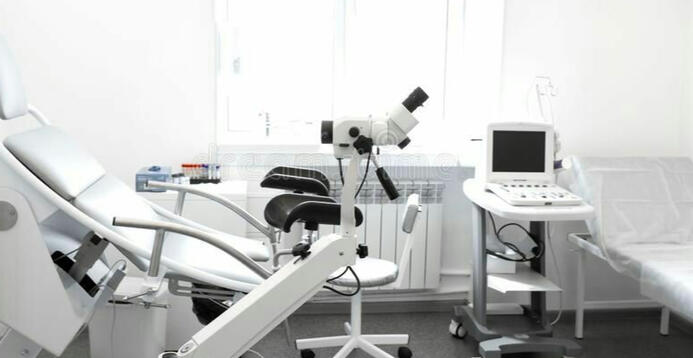
Obstetrics involves working with pregnant women, including delivering babies while Gynecology involves the female reproductive system, treating a wide range of conditions, including sexually transmitted infections (STIs) and chronic pain. OB-GYNs provide a wide range of preventive care services, including pap smears, STI testing, pelvic exams, ultrasounds, and blood work.
DEPARTMENT OF NURSING
Nursing encompasses autonomous and collaborative care of individuals of all ages, families, groups and communities, sick or well and in all settings. Nursing includes the promotion of health, prevention of illness, and the care of ill, disabled and dying people. Advocacy, promotion of a safe environment, research, participation in shaping health policy and in patient and health systems management, and education are also key nursing roles.

DEPARTMENT OF EMERGENCY MEDICINE
Emergency medicine is not defined by location, but may be practiced in a variety of settings including hospital-based, urgent care clinics, observation medicine units, emergency medical response vehicles, and disaster sites.

WORKING HOURS
According to Book III : Conditions of Employment
SECTION 2: Hospitals or clinics within the meaning of this Rule. — The terms "hospitals" and "clinics" as used in this Rule shall mean a place devoted primarily to the maintenance and operation of facilities for the diagnosis, treatment and care of individuals suffering from illness, disease, injury, or deformity, or in need of obstetrical or other medical and nursing care.
Either term shall also be construed as any institution, building, or place where there are installed beds, or cribs, or bassinets for twenty-four (24) hours use or longer by patients in the treatment of disease, injuries, deformities, or abnormal physical and mental states, maternity cases or sanitorial care; or infirmaries, nurseries, dispensaries, and such other similar names by which they may be designated.

SECTION 5: Regular working hours. — The regular working hours of any person covered by this Rule shall not be more than eight (8) hours in any one day nor more than forty (40) hours in any one week.
For purposes of this Rule a "day" shall mean a work day of twenty-four (24) consecutive hours beginning at the same time each calendar year. A "week" shall mean the work of 168 consecutive hours, or seven consecutive 24-hour work days, beginning at the same hour and on the same calendar day each calendar week.
SECTION 6: Regular working days. — The regular working days of covered employees shall not be more than five days in a work week. The work week may begin at any hour and on any day, including Saturday or Sunday, designated by the employer.
Employers are not precluded from changing the time at which the work day or work week begins, provided that the change is not intended to evade the requirements of this Rule.
This applies to both medical and non-medical working employees under Seattle Grace Medical Centre.
SGMC'S BULLETIN BOARD